



How to Spot the Damage and Save Your Grass Before It’s Too Late
Lawn problems in Florida don’t always start with something dramatic. One day your St. Augustine grass looks healthy and vibrant, and then you start to notice something strange. A patch of grass begins to yellow, then brown, and despite watering, the damaged area continues to spread. The culprit might not be drought, fungus, or lack of care. It might be chinch bugs.
These tiny insects are a major pest here in Tampa, especially during the warmer months when lawns are at their peak. At Green Solutions Lawn Care & Pest Control, we’ve seen how chinch bug infestations start quietly and turn into full-blown lawn disasters if not addressed quickly.
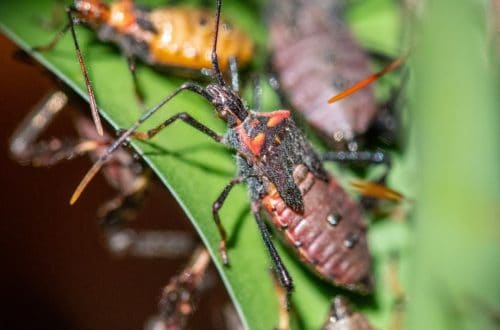
Chinch bugs are small insects, about 1/5 of an inch long, but their impact on your lawn is anything but small. They are especially problematic for Florida lawns, where warm-season grasses like St. Augustine are common. These bugs feed on the sap of grass blades, injecting toxins that block water movement and lead to widespread yellowing, browning, and ultimately dead patches.
What makes chinch bugs so destructive is how fast they spread and how difficult they are to see at first. They thrive in hot, sunny areas, and because they live and feed in the thatch layer of your lawn, you’re not likely to spot them until the damage is already underway.
If your lawn suddenly looks like it’s suffering from drought, even though you’ve been watering regularly, chinch bugs may be to blame. It’s a common scenario we see across the Tampa area during hot months.
Chinch bugs aren’t just showing up by accident. There are specific conditions that make your lawn an ideal habitat for them to settle in and multiply. If your lawn is stressed or improperly cared for, chinch bugs see an opportunity. Here are a few things that make your lawn more attractive to chinch bugs:
Knowing what draws them in helps you take action to make your lawn less appealing and more resilient.
At Green Solutions Lawn Care & Pest Control, we always start with strong cultural control methods. These practices create an environment where chinch bugs struggle to thrive and where your lawn is naturally more resistant to damage.
For St. Augustine grass, keep your mowing height between 3.5 and 4 inches. Mowing too low exposes the soil and stresses the grass, which sets the stage for chinch bug infestations.
Your lawn only needs about one inch of water per week. Water deeply, not frequently. This promotes a stronger root system and discourages the dry soil conditions chinch bugs prefer.
Avoid applying too much nitrogen. While fertilizing is essential for lawn health, going overboard creates lush growth that chinch bugs find especially inviting. Use a balanced fertilization plan based on your lawn's needs.
If you have more than half an inch of thatch, it’s time to dethatch. This is especially important for St. Augustine and other warm-season grasses. Removing thatch eliminates the protective layer chinch bugs hide in.
If you’re laying new sod or considering a grass variety that holds up better under chinch bug pressure, look into Floratam St. Augustine or centipedegrass. These varieties are more resistant to chinch bug activity and less likely to be overrun.
Simple changes in lawn care can make a significant difference in how well your lawn handles seasonal pest pressure.
While some homeowners jump straight to chemical sprays, we believe in starting with natural, environmentally friendly options when possible. Biological control introduces natural predators and eco-safe treatments to reduce chinch bug populations.
Biological control works best when paired with proper lawn care. Together, they create a strong first line of defense against chinch bugs without putting your yard or family at risk.
In some cases, especially when chinch bugs have already taken over large sections of your yard, insecticide treatment becomes necessary. If you’re seeing 15 to 25 bugs per square foot, it’s time to act quickly. The most effective active ingredients in insecticides include:
Apply treatments in the early morning when chinch bugs are most active. Follow all label directions carefully and avoid using the same product repeatedly. Rotating insecticides with different active ingredients helps prevent resistance and keeps future treatments effective.
Dethatching before applying insecticide is critical. If the thatch is too thick, the treatment won’t penetrate down to where chinch bugs are living. Removing that layer gives your product a better chance of working. If this process sounds like a lot, that’s because it is. That’s where professional help comes in.
The DIY soap test is a fast way to check for chinch bugs in your lawn. Mix a few tablespoons of dish soap with a gallon of water and pour it over the suspected area. Wait a few minutes and watch closely. If chinch bugs are present, they’ll rise to the surface. This simple test helps homeowners identify small infestations early. It’s pet-safe, kid-friendly, and works well as a first step before calling in the pros.
At Green Solutions Lawn Care & Pest Control, we don’t just treat chinch bugs. We prevent them. Our customized lawn care and pest management plans are built for Florida’s unique climate and your specific grass type. We don’t believe in one-size-fits-all solutions. Our chinch bug management services include:
We stay ahead of pest cycles and monitor your lawn all year long. If chinch bugs are trying to take hold, we’ll catch them early and stop the spread before it becomes unmanageable.
Your lawn is one of the first things people notice about your home. It’s where kids play, pets explore, and families gather. Chinch bugs don’t just cause brown spots. They steal the time and energy you’ve invested in your yard. Let us help you protect it. If you’re seeing the signs, don’t wait until your grass is beyond saving. Green Solutions Lawn Care & Pest Control is here to help Tampa homeowners spot, treat, and prevent chinch bug infestations with smart, professional service that gets results. Schedule your lawn inspection and let our team bring your lawn back to life.
Contact us today and receive a free estimate for any of our lawn care & lawn treatment services. We are Tampa, Florida's number one provider for all lawn care and green pest removal services.
Green Solutions Lawn Care & Pest Control
4002 Garden LnTampa, Florida 33610
Phone: 813-684-7336
Contact Us
 Green Solutions is proud to offer our customers over fifty years of industry experience and is confident that we hold the solution to your lawn and pest problems.
Our Staff is readily available to provide lawn and pest assessments and to make sound recommendations.
Green Solutions is proud to offer our customers over fifty years of industry experience and is confident that we hold the solution to your lawn and pest problems.
Our Staff is readily available to provide lawn and pest assessments and to make sound recommendations.

The best lawn care professionals in Tampa Bay, Florida. I use them every other month, and will continue to!
Mark Hamilton, Customer
March 22, 2013


Already a Customer? Sign In Here